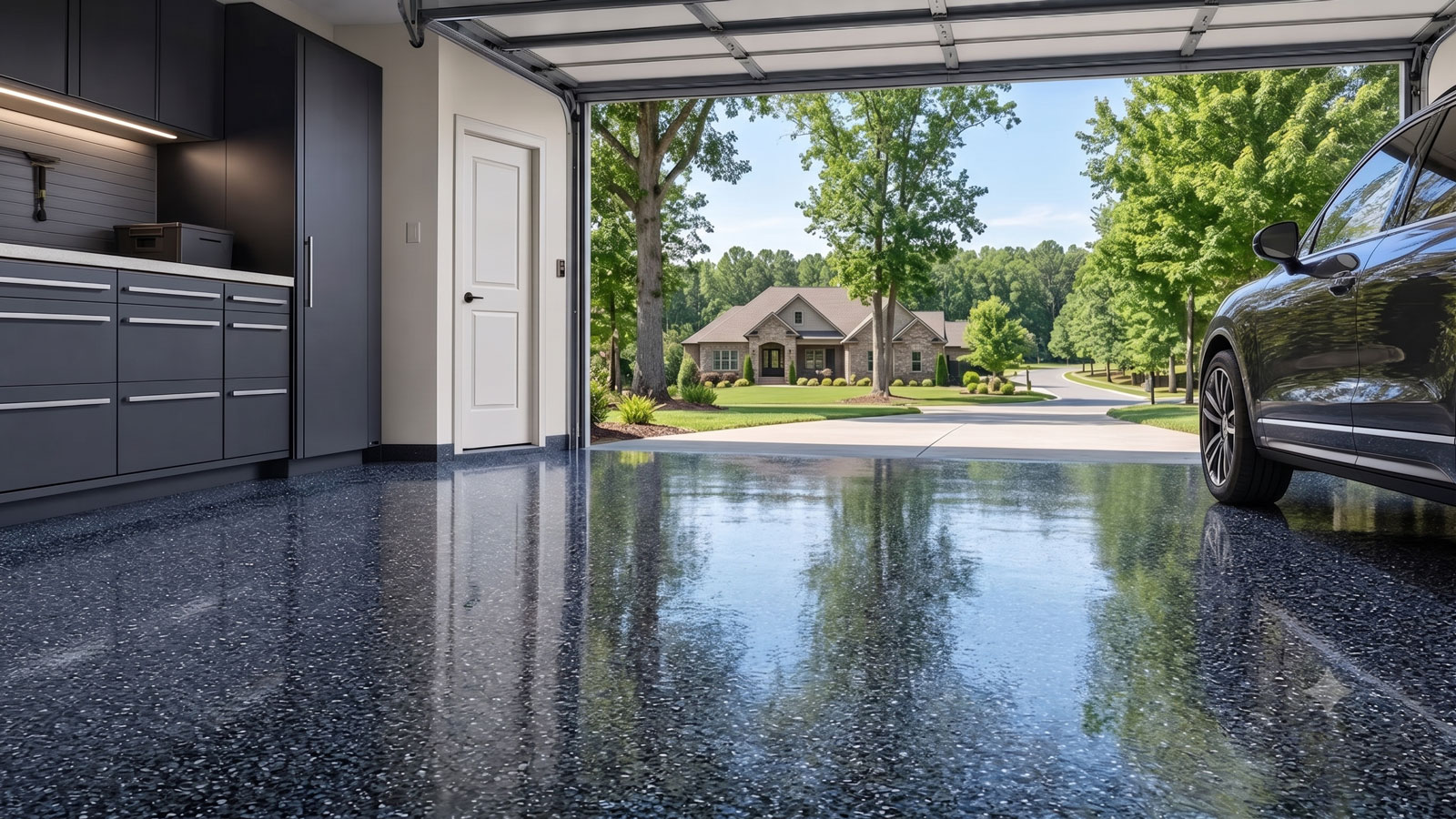
Garage Floor Coating in Pawleys Island, SC
Floor Coating Services in Pawleys Island, SC
Pawleys Island requires an important distinction at the start of any garage-floor discussion: the incorporated barrier island and the broader mainland Pawleys area are not the same physical environment. The island itself is less than four miles long, mostly one house wide, separated from the mainland by salt marsh, and reached by two causeways. Mainland neighborhoods on Waccamaw Neck can have far more conventional driveways and garage settings.
Flooding is a defining island condition. The island lies entirely within special flood-hazard areas, with ocean-side VE zones and creek-side AE or Coastal A zones, and it experiences both tidal flooding and severe-weather flooding. Recent drainage modeling has evaluated combinations of tide stage, rainfall, and future sea-level conditions to identify vulnerable infrastructure and possible improvements.
That does not mean every Pawleys-area garage needs the same coating specification. An island garage with tidal and salt exposure has different maintenance and threshold considerations from a mainland garage several miles away. The slab, elevation, drainage history, sun, salt, and actual garage use should determine the preparation and finish.
Local Market Insight
Pawleys Island has the strongest island-versus-mainland contrast in the service territory. On the barrier island, tidal flooding, salt marsh, causeway access, and high-risk flood zones are real project context; on mainland Waccamaw Neck, many garages behave much more like conventional coastal-suburban spaces.
What Affects the Cost of Garage Floor Coating in Pawleys Island?
Garage floor coating in Pawleys Island typically runs $6–$12 per square foot, with a typical two-car garage around $3,000–$5,500. Island or marsh-side access, salt and sand exposure, threshold and drainage conditions, old coating removal, crack repair, garage size, and finish texture can all affect the final project scope.
Island versus mainland location
An island property may have very different salt, flooding, access, and weather exposure from a mainland Pawleys address. The estimate should identify which environment the garage actually occupies.
Tidal and stormwater history
On the island, recurring high-water conditions are a documented concern. A coating can protect the slab surface but cannot replace drainage, elevation, or flood-mitigation work.
Salt, sand, and wind-driven moisture
True barrier-island garages can receive more salt-laden air, sand, and damp gear. These conditions affect cleaning, topcoat exposure, and the preferred balance of traction and smoothness.
Old paint, sealer, and repairs
Mature coastal properties may have previous coatings, patch compounds, floor paint, or repairs that must be removed or evaluated before a new system is applied.
Access and staging
Narrow island lots and causeway access can make vehicle and equipment staging different from a broad mainland driveway. The work plan should account for where materials, vehicles, and stored items will go.
Sun and UV at open garage doors
Open coastal exposure can put strong sunlight on the threshold and first section of floor. Sun-resistant finish choices are most useful where that exposure actually occurs.
Call for a clear, project-specific estimate — or request one online.
Local Garage-Floor Conditions in Pawleys Island
Pawleys Island is a narrow barrier island between the Atlantic and salt marsh, so tidal flooding and severe-weather flooding are part of local property conditions. King-tide flooding is a recurring concern, and recent flood-mitigation work has evaluated multiple tide and rainfall scenarios.
A mainland Pawleys garage can be a very different project. It may sit in a leafy Waccamaw Neck neighborhood with no regular saltwater contact and a conventional sloped driveway, making ordinary slab history and rainwater drainage more important than island flooding.
For both settings, the coating boundary is the same: prepare and protect sound concrete, but do not use a floor coating to disguise an unresolved water-entry problem. The homeowner should understand where water comes from and where it goes before the decorative finish is installed.
Barrier-Island Pawleys Is a Special Case Within the Broader Service Area
The incorporated island is less than four miles long, mostly one house wide, and separated from the mainland by salt marsh. Two short causeways provide access. That creates a genuinely different project context from mainland Pawleys neighborhoods.
Island garages can face more direct salt, wind, sand, tidal water, and access constraints. Mainland garages may share the same postal identity while having none of those conditions at meaningful levels.
A useful estimate should therefore identify the physical setting first. The address name alone is not enough to choose texture, topcoat, or moisture-related preparation.
Why a Coating Should Not Be Asked to Do a Drainage Job
Pawleys Island experiences both tidal and storm-related flooding, and recent drainage modeling has evaluated combinations of tide stage, rainfall severity, and future sea-level conditions across the island.
Those efforts focus on infrastructure and water movement because that is where flooding is solved. A garage-floor coating works at a different scale: it protects and finishes the concrete surface once the slab and site conditions are understood.
If an island garage has a history of high-water entry, the homeowner should treat that as a separate property issue instead of expecting the coating system to act as a flood barrier.
Questions to Answer Before Coating a Pawleys Island Garage
- Is the property on the barrier island or on the mainland side of the Pawleys area?
- Has tidal water, stormwater, or wind-driven rain ever reached the garage?
- How much regular salt, sand, and direct coastal exposure reaches the floor?
- Is the slab painted, sealed, patched, or previously coated?
- Are access and staging constrained by a narrow lot, causeway trip, or limited parking?
- What texture and topcoat will balance wet traction, cleanability, and sun exposure?
Pawleys Island Garage Floor Coating FAQs
Is an island garage different from a mainland Pawleys garage?
Often, yes. The barrier island has direct salt-marsh and ocean exposure, high-risk flood zones, and causeway access. Mainland Pawleys garages can have far more conventional suburban conditions.
Can a coating prevent king-tide flooding from damaging a garage?
No. A coating can protect the concrete surface, but it is not a substitute for elevation, drainage, door protection, or other flood-mitigation measures.
Does every Pawleys-area garage need aggressive anti-slip texture?
No. An island garage that regularly receives wet sand may benefit from more traction, while a dry mainland garage may be easier to maintain with a smoother finish.
Should salt exposure change the preparation process?
The concrete still needs to be cleaned, repaired, and mechanically prepared to the coating system's requirements. Where salt or storm residue is present, cleaning and contamination removal become especially important before coating.
Pawleys Island Neighborhoods & Local Context
Phone Quote Line
Speak with a floor coating specialist about your project and get a realistic estimate range.
(843) 966-9906Typical Project Cost
$3,000–$5,500
Typical range for a two-car garage. Final pricing depends on floor size, concrete condition, prep work, coating type, and finish options.
Helpful Guides