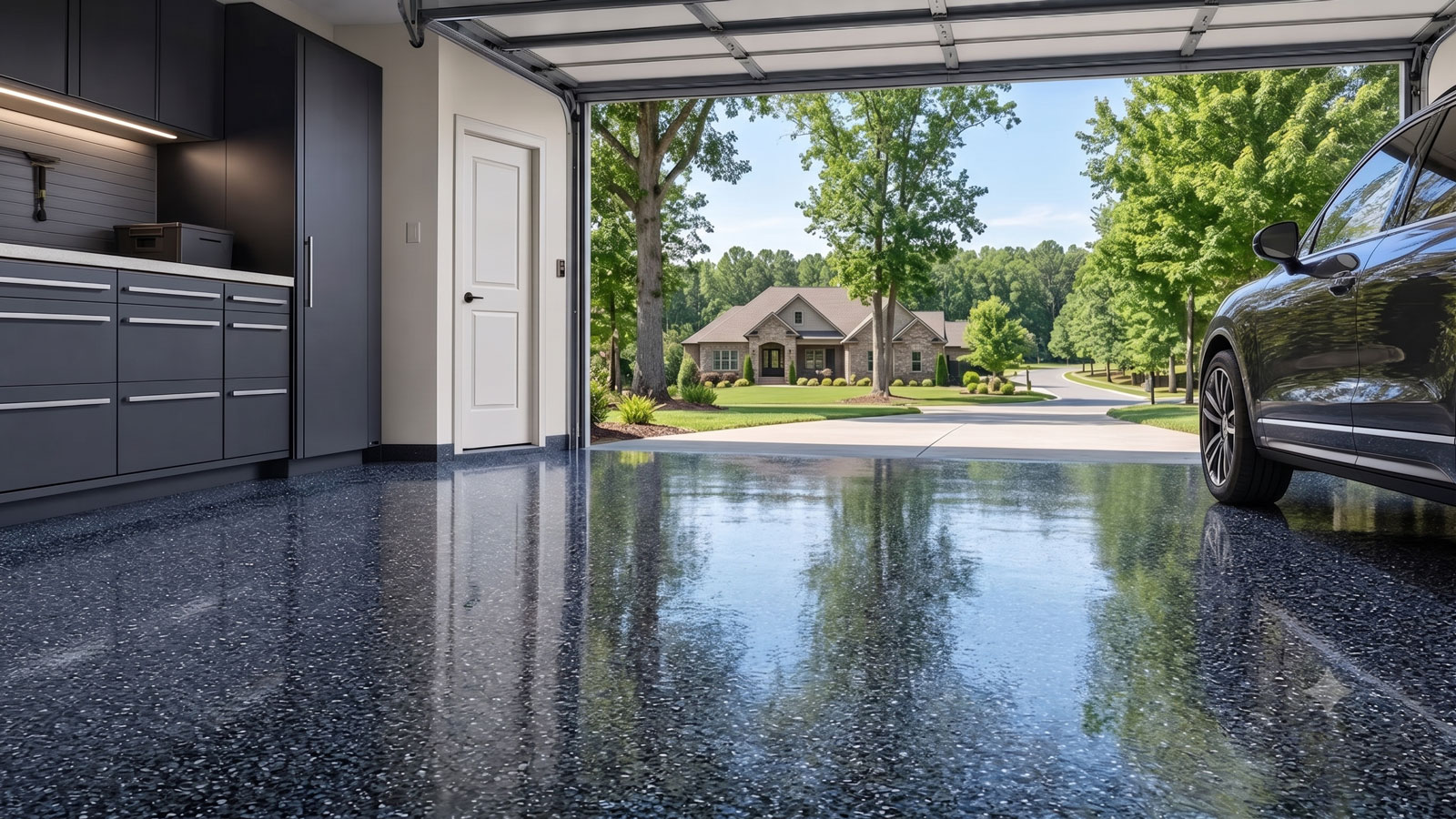
Garage Floor Coating in Little River, SC
Floor Coating Services in Little River, SC
Little River sits at the northern end of the Grand Strand, where older riverfront and highway-area development now mixes with substantial residential growth. Roughly 10,000 residential units in the Little River area had been approved but not yet built as of 2017, so the community includes both long-used garage slabs and newer subdivision concrete.
The resident profile is distinctive too. About 42 percent of residents are 65 or older, about 77 percent of occupied homes are owner-occupied, and the median owner-occupied home value is about $305,800. That supports a large base of long-term homeowners who may value a garage that is easier to clean, brighter, and more useful for storage, hobbies, or vehicles.
Little River also bridges coastal and inland conditions. Properties near the Intracoastal Waterway or riverfront can have different humidity, drainage, and salt exposure from homes farther inland along Highway 9, Highway 90, or newer residential corridors. The floor should be planned around the property rather than one community-wide assumption.
Local Market Insight
Little River combines a retiree-heavy, high-homeownership population with meaningful new residential growth and a true coastal-to-inland transition. Garage projects can range from mature slabs near the historic waterfront to newer concrete in expanding subdivisions, so preparation and drainage must be property-specific.
What Affects the Cost of Garage Floor Coating in Little River?
Garage floor coating in Little River typically runs $6–$12 per square foot, with a typical two-car garage around $3,000–$5,500. Existing coatings, newer-slab surface treatments, crack repair, drainage, garage size, storage, and actual river or coastal exposure can all change the final scope.
Older versus newer slab history
Little River's growth creates a wide range of garage ages. Older floors may need coating removal and repairs, while newer ones may still carry curing products, sealers, or construction residue.
Waterway and drainage exposure
Properties closer to the Intracoastal Waterway, Little River waterfront, or low drainage areas may see different wetting patterns from inland subdivisions. The garage threshold should be inspected after heavy rain when possible.
Cracks, joints, and patch work
Mature concrete and new concrete can both crack. The estimate should identify stable cracks, designed joints, damaged patches, and any areas that need repair before coating.
Existing sealer or DIY floor system
A clean-looking garage may still have sealer or an older coating that changes the preparation requirement. Adhesion should rely on a mechanically prepared surface.
Storage and hobby use
Garages used for golf carts, tools, fishing gear, workshop equipment, refrigerators, or household storage need a realistic clearing and staging plan before grinding begins.
Texture and maintenance preference
A homeowner who values easy sweeping may choose a different texture from someone dealing with frequent wet footwear, boat gear, or vehicles in rainy conditions.
Call for a clear, project-specific estimate — or request one online.
Local Garage-Floor Conditions in Little River
Little River's older waterfront identity and newer subdivision growth create real floor-history differences. A long-used slab may have paint, oil, patches, or repairs, while a newer garage may need attention to sealer, construction residue, and early shrinkage cracks.
The area's coastal-to-inland transition also changes what gets tracked into the garage. Near-water properties may see more sand, damp gear, and salt exposure; inland homes may deal more with soil, lawn debris, and routine vehicle use.
Drainage projects around the Highway 9 area reinforce that heavy-rain water management remains a local concern. At the house level, the important evidence is whether runoff, downspouts, or driveway grade actually send water toward the garage.
Little River Has Both Mature Garages and a Large Growth Pipeline
Long-range county housing work recorded roughly 10,000 approved but unbuilt residential units in Little River in 2017. That growth sits alongside much older development around the waterfront and established highway corridors.
A coating contractor therefore cannot assume a typical slab age. One estimate may center on removing old paint and repairing decades of use; the next may focus on grinding a newer sealed floor and treating a few shrinkage cracks.
The consistent part should be the preparation standard, not the age assumption.
Waterfront Little River and Inland Little River Are Different Garage Environments
The Intracoastal Waterway and Little River waterfront are defining local features, but the service area extends well inland toward major residential corridors.
That creates a meaningful exposure gradient. Near the water, damp gear, salt, and sand may be regular garage inputs. Inland, the same household may deal mostly with lawn equipment, soil, road grit, and summer humidity.
A useful finish is one chosen for the garage's real use rather than for the most dramatic feature of the community.
Questions to Answer Before Coating a Little River Garage
- Is this an older garage or part of a newer subdivision, and what surface treatments are already on the slab?
- Does the property have regular waterway, salt, or sand exposure, or is it mainly inland?
- Does rainwater stay away from the garage threshold during heavy storms?
- Are cracks, control joints, and older patches stable?
- What golf cart, fishing, workshop, storage, or household equipment must be moved?
- Is easy sweeping the priority, or does the garage need additional wet-traction texture?
Little River Garage Floor Coating FAQs
Are Little River garages mostly older or newer?
Both. The community has established waterfront and highway-area development along with substantial newer residential growth. The slab should be evaluated by its actual age, treatments, and condition.
Does living near the Intracoastal Waterway change the coating system?
It can change the importance of salt, damp gear, drainage, and cleaning, but the system should still be selected from the actual slab and use conditions rather than waterway proximity alone.
Why should a newer Little River slab be ground?
New concrete can still have curing compounds, sealer, smooth finishing, or construction residue. Mechanical preparation creates the surface profile the coating needs for reliable adhesion.
Can coating make an older garage easier to maintain?
Yes. Once weak material and contamination are removed and the slab is repaired, a finished coating can make routine sweeping and washing much simpler than maintaining bare porous concrete.
Little River Neighborhoods & Local Context
Phone Quote Line
Speak with a floor coating specialist about your project and get a realistic estimate range.
(843) 966-9906Typical Project Cost
$3,000–$5,500
Typical range for a two-car garage. Final pricing depends on floor size, concrete condition, prep work, coating type, and finish options.
Helpful Guides